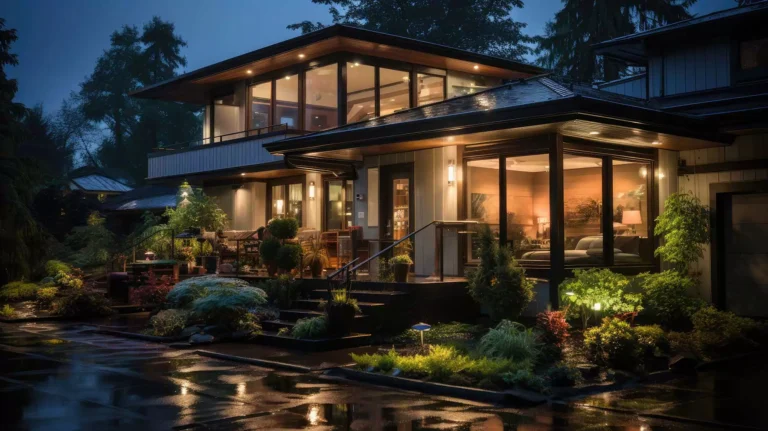

Power Security for Coastal South Carolina Homes
Living along the South Carolina coast brings unique challenges when it comes to maintaining reliable power for your home. Hurricane season, tropical storms, and even routine thunderstorms can knock out electricity for hours or days at a time. When temperatures soar above 90 degrees with humidity levels that make it feel even hotter, losing air conditioning isn’t just uncomfortable—it can be dangerous. That’s why residential generators have become essential equipment for homeowners throughout Myrtle Beach, Carolina Forest, Conway, Forestbrook, Red Hill, and Socastee.
At Conway Air Conditioning, we’ve been serving Horry County since the 1950s, making us one of the oldest heating and air conditioning businesses in Conway. Our decades of experience have shown us firsthand how devastating power outages can be for families. Beyond the immediate discomfort, extended outages can lead to food spoilage, medical equipment failures, and damaged HVAC systems when power suddenly surges back on. A properly installed residential generator eliminates these concerns, providing seamless backup power the moment your utility service fails.
Understanding Generator Types and Capacities
Residential generators fall into two main categories: portable units and permanently installed standby generators. Portable generators typically range from 3,000 to 10,000 watts and require manual setup when power fails. You’ll need to roll them out, add fuel, connect extension cords, and start them manually. While portable units cost less upfront, they power only selected circuits and require you to be home when outages occur. They also produce carbon monoxide, requiring careful placement away from windows and doors.
Standby generators represent a more comprehensive solution for Myrtle Beach area homes. These permanently installed units connect directly to your home’s electrical panel and natural gas line or propane tank. Ranging from 7,500 to 48,000 watts, standby generators automatically detect power loss and start within seconds, even when you’re away. Our Nate Certified Technicians size these systems based on your home’s square footage, electrical load requirements, and specific needs like medical equipment or home offices. Most residential installations fall between 16,000 and 24,000 watts, sufficient to power essential circuits including HVAC systems, refrigerators, lights, and electronics.
Installation Process and Technical Requirements
Installing a standby generator involves multiple technical considerations that require professional expertise. The process begins with load calculation to determine proper sizing. Our BPI certified team evaluates your electrical panel, measuring actual power consumption patterns and identifying critical circuits. We then select an appropriate location, typically beside your home on a concrete pad, ensuring proper clearance from windows, doors, and air conditioning units. Local building codes in Horry County require specific setback distances from property lines and structures.
The installation includes trenching for electrical conduit and gas lines, pouring a level concrete pad, and mounting the generator unit. We install an automatic transfer switch near your main electrical panel, which monitors utility power and signals the generator when needed. This switch prevents dangerous backfeeding into utility lines while ensuring clean power transfer. Gas connections require proper sizing based on generator demand plus existing appliances. Natural gas installations need coordination with utility providers, while propane systems may require tank upgrades. Our Factory Authorized Dealer status ensures we follow manufacturer specifications exactly, protecting your warranty and ensuring safe operation.
Maintenance Requirements and Long-term Reliability
Standby generators require regular maintenance to ensure reliability when you need them most. These units perform automatic weekly exercise cycles, running for approximately 15 minutes to circulate oil, charge batteries, and verify proper operation. During these tests, the generator operates at reduced speed without assuming your home’s electrical load. Monthly visual inspections should check for rodent damage, debris accumulation, and oil leaks. As a family owned and operated business, we understand the importance of protecting your investment through proper maintenance.
Annual professional service includes:
- Oil and filter changes: Similar to your car, generators need fresh oil to prevent engine damage
- Air filter replacement: Clean filters ensure proper combustion and prevent overheating
- Spark plug inspection: Worn plugs reduce efficiency and can prevent starting
- Battery testing: Weak batteries are the leading cause of generator failure
- Load bank testing: Verifies the unit can handle your home’s actual electrical demand
Cost Considerations and Return on Investment
While residential generators represent significant investments, ranging from $3,000 for basic portable units to $15,000 or more for whole-house standby systems including installation, they provide substantial value for Myrtle Beach homeowners. Insurance companies increasingly recognize generators as protective devices, sometimes offering premium discounts similar to security systems. Real estate professionals report that homes with standby generators sell faster and command higher prices, particularly in storm-prone coastal areas.
Beyond monetary considerations, generators protect against hidden costs of extended outages. Replacing a refrigerator and freezer full of food can easily exceed $1,000. Hotels during evacuation periods charge premium rates if rooms are available at all. Medical equipment failures can result in emergency room visits or worse. HVAC systems suffer stress damage from power surges following outages, potentially requiring expensive repairs. A single prevented loss often justifies generator investment.
Local Climate Factors and Storm Preparedness
Myrtle Beach’s subtropical climate creates unique challenges for power reliability. Summer temperatures regularly exceed 95 degrees with humidity levels above 80 percent, creating heat index values dangerous for elderly residents and those with health conditions. Atlantic hurricane season runs June through November, with peak activity in September and October. Even tropical depressions can spawn tornadoes and knock down power lines across Horry County. Winter ice storms, though less frequent, cause extensive tree damage and prolonged outages.
Historical data shows coastal South Carolina experiences more frequent and longer-duration outages than inland regions. Salt air accelerates utility equipment corrosion, while sandy soil provides less stable support for power poles. As a President Award winner, Conway Air Conditioning understands these regional challenges and specifies equipment designed for coastal environments. We recommend generators with aluminum or composite enclosures that resist salt corrosion better than standard steel units. Elevated mounting prevents flooding damage during storm surge events.
Preparing for storm season means more than just installing a generator. We help customers develop comprehensive backup power plans including fuel storage recommendations, maintenance scheduling around peak storm months, and integration with existing HVAC systems. Our experience since the 1950s has taught us that preparation makes the difference between weathering storms comfortably and enduring difficult recoveries. Residential generators form the cornerstone of effective storm preparedness, ensuring your family maintains normal routines regardless of utility disruptions.