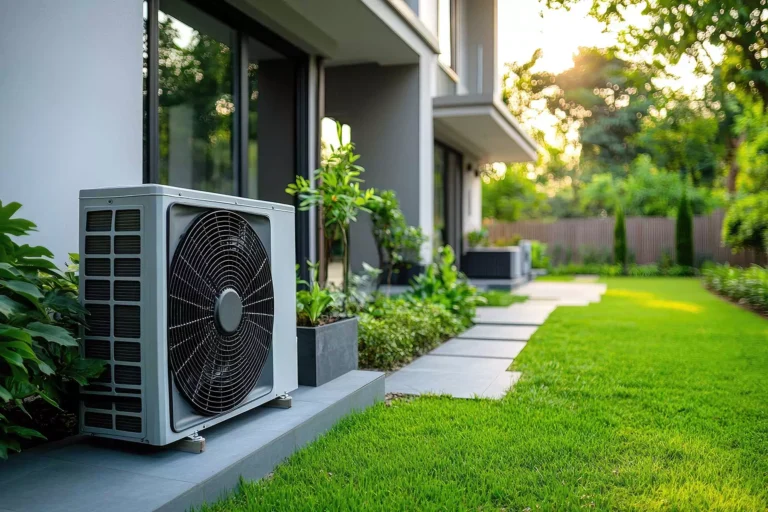

Understanding Heat Pump Technology for Carolina Forest Homes
Heat pumps represent one of the most efficient climate control solutions available for Carolina Forest homeowners, and at Conway Air Conditioning, we’ve been installing and servicing these systems throughout Horry County since the 1950s. Unlike traditional heating and cooling systems that generate heat through combustion or electrical resistance, heat pumps transfer thermal energy between your home’s interior and the outdoor environment. During summer months, they extract heat from inside your home and release it outdoors, functioning exactly like a conventional air conditioner. When temperatures drop, the process reverses, pulling heat from outdoor air—even when it feels cold outside—and transferring it indoors to warm your living spaces.
The mild climate of Carolina Forest makes heat pumps particularly effective year-round. Our NATE Certified Technicians regularly install systems that achieve efficiency ratings exceeding 20 SEER (Seasonal Energy Efficiency Ratio) for cooling and 10 HSPF (Heating Seasonal Performance Factor) for heating. These efficiency levels translate directly into lower monthly utility bills, with many homeowners seeing reductions of 30 to 50 percent compared to traditional electric resistance heating or older HVAC systems. The technology works because even air at 32 degrees Fahrenheit contains substantial thermal energy that modern heat pumps can extract and concentrate for indoor heating.
Installation Considerations for Coastal South Carolina Properties
Installing heat pumps in Carolina Forest requires specific expertise due to our unique coastal environment. Salt air, high humidity levels, and occasional tropical weather systems all impact system selection and installation methods. Our BPI certified professionals evaluate multiple factors when designing heat pump installations, including your home’s square footage, insulation quality, window efficiency, and existing ductwork condition. We calculate precise load requirements using Manual J calculations, ensuring your new system provides optimal comfort without unnecessary cycling that wastes energy and reduces equipment lifespan.
The proximity to the Atlantic Ocean means Carolina Forest properties face corrosion challenges that inland homes don’t experience. We specify heat pumps with coastal-grade coatings on outdoor units, including specialized fin treatments that resist salt air deterioration. Aluminum coils with enhanced corrosion protection last significantly longer than standard copper coils in our environment. Our installation teams position outdoor units strategically to minimize direct salt spray exposure while maintaining proper airflow for efficient operation. We also install surge protectors as standard equipment, protecting your investment from power fluctuations common during thunderstorms that frequently roll through our area during summer afternoons.
Advanced Features in Modern Heat Pump Systems
Today’s heat pumps incorporate sophisticated technology that dramatically improves comfort and efficiency compared to systems from even a decade ago. Variable-speed compressors adjust output continuously to match your home’s exact heating or cooling needs, eliminating the temperature swings associated with single-stage equipment. These inverter-driven systems maintain consistent indoor temperatures within half a degree of your thermostat setting while consuming up to 40 percent less electricity than traditional fixed-speed units.
Smart thermostats integrate seamlessly with modern heat pumps, learning your family’s schedule and preferences to optimize operation automatically. Humidity control features prove especially valuable in Carolina Forest, where summer moisture levels can make 78 degrees feel uncomfortably warm. Advanced heat pumps include dedicated dehumidification modes that remove excess moisture without overcooling your home. During heating season, variable-speed air handlers prevent the cold drafts common with older heat pumps by gradually ramping up airflow as the system reaches optimal operating temperature. Multi-zone systems allow different areas of your home to maintain independent temperature settings, solving the common problem of upstairs bedrooms running warmer than ground-floor living spaces.
Maintenance Requirements and Long-Term Performance
Proper maintenance ensures heat pumps deliver reliable comfort and efficiency throughout their operational lifespan, typically 15 to 20 years in Carolina Forest’s climate. As a Factory Authorized Dealer and President Award winner, Conway Air Conditioning provides comprehensive maintenance programs tailored specifically for heat pump systems. Regular service includes:
- Coil cleaning: removing salt deposits, pollen, and debris that reduce heat transfer efficiency
- Refrigerant level verification: ensuring optimal charge for maximum performance
- Electrical component inspection: checking contactors, capacitors, and connections for wear
- Defrost cycle calibration: adjusting settings for our specific winter conditions
- Air filter replacement: maintaining proper airflow and indoor air quality
Our family owned and operated business understands that emergency breakdowns don’t follow convenient schedules. Heat pumps occasionally require repairs despite regular maintenance, particularly as components age. Common issues include refrigerant leaks, failed reversing valves, and worn compressor contactors. Our service vehicles carry extensive parts inventories, allowing same-day repairs for most problems.
Energy Savings and Environmental Benefits
Heat pumps offer compelling financial and environmental advantages for Carolina Forest residents concerned about rising energy costs and carbon footprints. The average 2,000-square-foot home in our area consumes approximately 14,000 kilowatt-hours annually for heating and cooling with traditional electric systems. High-efficiency heat pumps reduce this consumption by 4,000 to 6,000 kilowatt-hours yearly, saving $500 to $750 at current electricity rates. These savings compound over time, often paying for the initial investment within five to seven years.
Environmental benefits extend beyond reduced electricity consumption. Heat pumps eliminate on-site combustion, improving indoor air quality by preventing carbon monoxide production and reducing particulate emissions. They utilize R-410A refrigerant, which doesn’t deplete atmospheric ozone like older R-22 systems. Newer models increasingly use R-32 refrigerant, offering even lower global warming potential while maintaining excellent efficiency. Power generation continues shifting toward renewable sources, meaning heat pumps become progressively cleaner throughout their operational lifetime as the electrical grid incorporates more solar and wind energy.
Selecting the Right Heat Pump for Your Home
Choosing between heat pump options requires balancing upfront costs, efficiency ratings, features, and expected longevity. Entry-level systems provide reliable comfort at affordable prices, while premium models offer superior efficiency, quieter operation, and enhanced comfort features. Conway Air Conditioning guides customers through selection decisions based on individual priorities and budgets. Single-stage heat pumps work well for smaller homes or budget-conscious buyers, while two-stage and variable-speed models better serve larger properties or homeowners prioritizing maximum comfort and efficiency.
Ductless mini-split heat pumps provide excellent solutions for room additions, converted garages, or homes without existing ductwork. These systems achieve exceptional efficiency ratings while offering precise temperature control for individual spaces. Hybrid dual-fuel systems combine heat pumps with gas furnaces, automatically switching between energy sources based on outdoor temperature and utility rates. This configuration proves particularly valuable during occasional cold snaps when heat pump efficiency temporarily decreases. Our experienced team evaluates each home’s unique requirements, recommending systems that deliver optimal performance for Carolina Forest’s specific climate conditions while respecting your investment parameters.