
Ductless HVAC Solutions for Forestbrook Homes
Living in Forestbrook, SC, means dealing with humid summers and mild winters that demand reliable climate control throughout the year. At Conway Air Conditioning, we’ve been helping Horry County residents achieve optimal home comfort since the 1950s, and we’ve witnessed firsthand how ductless HVAC systems have revolutionized the way homeowners approach their heating and cooling needs. These innovative systems offer unprecedented flexibility and efficiency that traditional ducted systems simply cannot match, particularly for the unique architectural styles and renovation challenges common in our coastal South Carolina communities.
Our NATE Certified Technicians regularly install ductless systems in Forestbrook properties ranging from historic homes to modern condominiums, and we’ve seen how these versatile units solve problems that conventional HVAC systems struggle to address. Whether you’re dealing with a room addition that lacks existing ductwork, a converted garage space, or simply want zone-specific temperature control without the expense and disruption of installing traditional ducts, ductless technology provides an elegant solution that maintains your home’s aesthetic appeal while delivering exceptional performance.
Understanding Mini-Split Technology and Components
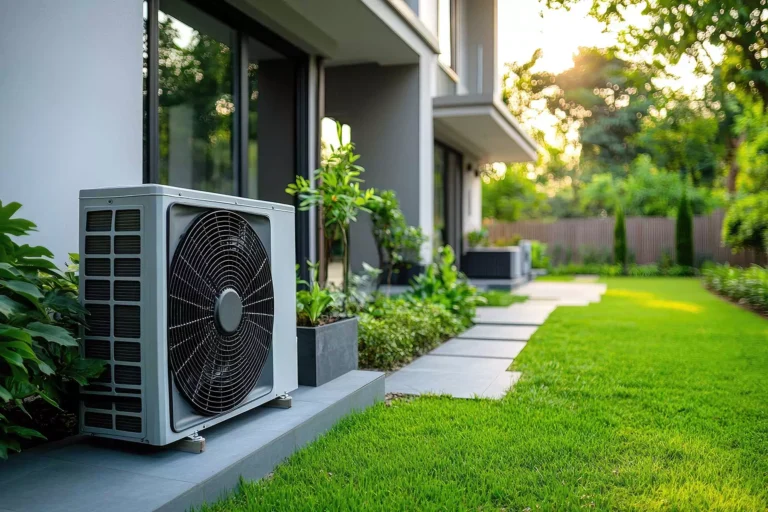
Ductless HVAC systems, commonly called mini-splits, consist of an outdoor compressor unit connected to one or more indoor air handling units through a small conduit containing refrigerant lines, power cables, and condensate drains. The outdoor unit houses the compressor and condenser coil, while each indoor unit contains an evaporator coil and quiet fan system that distributes conditioned air directly into your living space. This configuration eliminates the energy losses associated with ductwork, which can account for up to thirty percent of cooling energy consumption in traditional systems, especially when ducts run through unconditioned spaces like attics or crawl spaces common in Forestbrook homes.
The refrigerant cycle in these systems operates similarly to conventional air conditioners but with enhanced efficiency features including variable-speed compressors and advanced inverter technology. When cooling mode activates, the refrigerant absorbs heat from inside your home at the evaporator coil, carries it to the outdoor unit, and releases it through the condenser coil. During heating operation, the cycle reverses through a reversing valve, extracting heat from outdoor air even in temperatures as low as negative five degrees Fahrenheit, making these systems perfect for South Carolina’s occasional cold snaps while maintaining peak efficiency during our long cooling seasons.
Installation Process and Technical Specifications
Installing a ductless system in your Forestbrook home begins with our BPI certified professionals conducting a comprehensive load calculation to determine the appropriate system capacity for your specific needs. We evaluate factors including square footage, ceiling height, insulation levels, window orientation, and local climate data to ensure proper sizing that maximizes efficiency and comfort. The physical installation typically requires only a three-inch hole through your exterior wall for the conduit, preserving your home’s structural integrity while minimizing the aesthetic impact both inside and outside your residence.
Our family owned and operated team carefully positions indoor units to optimize airflow patterns and ensure even temperature distribution throughout each zone. Wall-mounted units typically install seven to eight feet above floor level, while ceiling cassettes require adequate clearance in your ceiling cavity. We connect refrigerant lines using precision flaring tools and nitrogen purging techniques that prevent moisture contamination and ensure long-term reliability. Electrical requirements vary by system capacity, with smaller units operating on standard 115-volt circuits while larger systems require dedicated 230-volt connections installed by our licensed electricians in compliance with local building codes.
Energy Efficiency Benefits and Cost Savings
Modern ductless systems achieve SEER ratings exceeding twenty-one and HSPF ratings above ten, significantly surpassing minimum federal efficiency standards and qualifying for utility rebates available to Forestbrook residents. The absence of ductwork eliminates the energy losses that plague traditional systems, while inverter-driven compressors adjust their speed to match real-time cooling or heating demands rather than cycling on and off like conventional units. This variable capacity operation reduces energy consumption by maintaining consistent temperatures without the energy spikes associated with frequent starting and stopping.
Zone control capabilities allow you to condition only occupied spaces, avoiding the waste of heating or cooling unused rooms. Each indoor unit operates independently with its own thermostat, enabling family members to customize their comfort preferences while reducing overall energy usage. As a Factory Authorized Dealer and President Award winner, Conway Air Conditioning helps customers understand how these efficiency features translate into tangible savings on monthly utility bills, often reducing cooling costs by twenty to thirty percent compared to older central systems.
Applications and Advantages for Forestbrook Properties
Ductless systems excel in numerous applications throughout Forestbrook’s diverse housing stock.
- Historic home preservation: Installing ductwork in older homes often requires destructive modifications to original architecture, while ductless systems preserve historical integrity
- Room additions and renovations: Extending existing ductwork proves costly and sometimes impossible, making ductless units ideal for sunrooms, converted garages, or second-story additions
- Supplemental cooling for problem areas: Rooms with inadequate airflow from central systems benefit from dedicated ductless units that eliminate hot or cold spots
- Rental property upgrades: Individual zone control allows landlords to monitor and manage energy usage while providing tenants with personalized comfort
The coastal humidity in Forestbrook presents unique challenges that ductless systems address through advanced dehumidification modes that remove moisture without overcooling your space. Multi-stage filtration systems capture allergens, dust, and other airborne particles, improving indoor air quality crucial for our area’s allergy sufferers. The quiet operation of indoor units, typically producing sound levels below forty decibels, ensures peaceful living environments without the noise associated with traditional window units or central system air handlers.
Maintenance Requirements and Long-Term Performance
Maintaining your ductless system involves regular filter cleaning every two to four weeks during peak usage seasons, a simple task homeowners can perform themselves by removing and washing the reusable filters with mild soap and water. Professional maintenance by our experienced technicians includes checking refrigerant levels, cleaning coils, verifying electrical connections, and testing system controls to ensure optimal performance throughout the year. We recommend scheduling maintenance visits twice annually, ideally before the cooling and heating seasons, to identify potential issues before they develop into costly repairs.
The longevity of ductless systems typically exceeds twenty years with proper maintenance, surpassing the fifteen-year average lifespan of traditional central air conditioners. Component accessibility simplifies repairs when needed, and the modular design allows for replacing individual units rather than entire systems. Our comprehensive maintenance agreements include priority service scheduling and discounted repair rates, protecting your investment while ensuring consistent comfort throughout your Forestbrook home. Regular maintenance also preserves manufacturer warranties and maintains the high efficiency ratings that minimize your environmental impact and operating costs over the system’s lifetime.