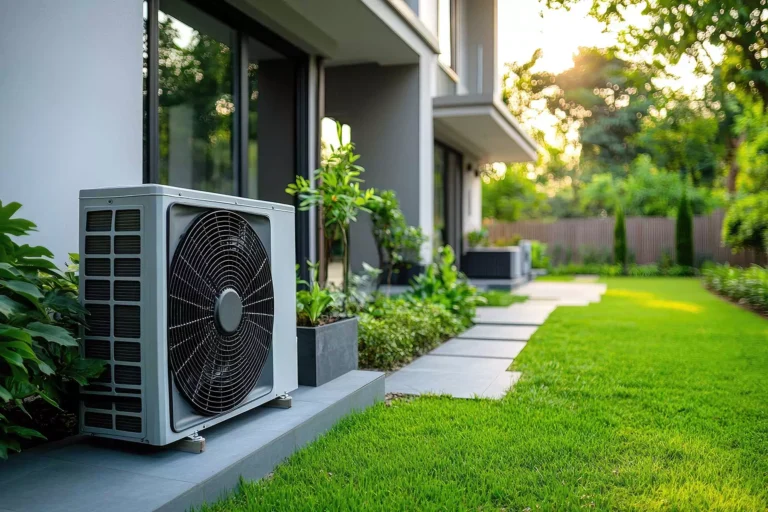

Understanding Heat Pumps in Conway’s Unique Climate
Heat pumps have become increasingly popular in Conway, SC, and throughout Horry County, offering homeowners an efficient solution for year-round comfort. Our subtropical climate, characterized by hot, humid summers and mild winters, makes heat pumps an ideal choice for residential and commercial properties. Unlike traditional heating and cooling systems that generate heat or cold air, heat pumps transfer heat from one location to another, making them remarkably energy-efficient. During summer months, they extract heat from inside your home and release it outdoors, while in winter, they reverse this process by capturing heat from the outdoor air and bringing it inside.
The technology behind heat pumps has advanced significantly since we began serving Conway in the 1950s. Modern units can extract heat from outdoor air even when temperatures drop below freezing, though our mild South Carolina winters rarely present such challenges. The coefficient of performance (COP) for today’s heat pumps typically ranges from 3.0 to 4.5, meaning they produce three to four and a half units of heating or cooling energy for every unit of electrical energy consumed. This efficiency translates directly into lower utility bills for Conway residents, particularly when compared to traditional electric resistance heating or older air conditioning systems.
Types of Heat Pumps We Install and Service
Air-source heat pumps remain the most common type installed in Conway homes, transferring heat between your house and the outside air. These systems work exceptionally well in our coastal climate, where extreme temperature fluctuations are rare. Split-system heat pumps, featuring an outdoor compressor unit and indoor air handler, dominate the residential market. We also install packaged systems where all components are housed in a single outdoor unit, ideal for homes with limited indoor space. Variable-speed heat pumps represent the latest advancement in this technology, automatically adjusting their output to match your home’s heating and cooling demands precisely, resulting in enhanced comfort and energy savings.
Geothermal heat pumps, while less common due to higher installation costs, offer exceptional efficiency by exchanging heat with the ground rather than the air. The relatively stable ground temperatures in Conway make these systems particularly effective. Our BPI certified technicians can assess whether your property is suitable for geothermal installation, considering factors like lot size, soil conditions, and local water table levels. Mini-split ductless heat pumps have gained popularity for room additions, converted spaces, and homes without existing ductwork. These systems provide targeted comfort control and eliminate the energy losses associated with ductwork, which can account for up to 30% of energy consumption in traditional forced-air systems.
Installation Process and Considerations
Proper heat pump installation requires careful planning and expertise to ensure optimal performance and longevity. Our NATE certified technicians begin with a comprehensive load calculation to determine the appropriate system size for your Conway home. This calculation considers factors including square footage, insulation levels, window placement, and local climate data. Oversized systems cycle on and off frequently, reducing efficiency and comfort while increasing wear on components. Undersized systems run continuously, struggling to maintain desired temperatures and consuming excessive energy.
The installation process typically takes one to two days for a standard replacement, though new installations or complex retrofits may require additional time. We start by removing the old system and properly recovering any refrigerant in compliance with EPA regulations. The new outdoor unit must be placed on a level pad or platform, with adequate clearance for airflow and service access. Indoor components, including the air handler and evaporator coil, are installed with careful attention to drainage and electrical connections. Our factory authorized dealer status ensures we follow manufacturer specifications precisely, protecting your warranty and maximizing system performance. Ductwork modifications may be necessary to accommodate the new system’s airflow requirements, and we seal all connections to prevent energy loss.
Energy Efficiency and Cost Savings
Heat pumps in Conway typically achieve heating seasonal performance factors (HSPF) between 8.5 and 13, with cooling seasonal energy efficiency ratios (SEER) ranging from 15 to 22 or higher. These ratings directly impact your energy consumption and utility costs. A heat pump with a SEER rating of 16 uses approximately 30% less energy than older 10 SEER units common in homes built before 2006. The mild winters in Horry County mean heat pumps rarely need to engage auxiliary electric resistance heating, which significantly increases energy consumption.
- Lower monthly utility bills: Heat pumps can reduce heating costs by 50% compared to electric resistance heating
- Reduced carbon footprint: Efficient operation means less energy consumption and lower greenhouse gas emissions
- Utility rebates and incentives: Many local utilities offer rebates for high-efficiency heat pump installations
- Increased home value: Energy-efficient HVAC systems are attractive to potential buyers
- Year-round savings: Unlike separate heating and cooling systems, one unit provides both functions efficiently
Maintenance Requirements for Optimal Performance
Regular maintenance ensures your heat pump operates efficiently throughout Conway’s demanding cooling season and mild heating season. Our comprehensive maintenance programs include cleaning or replacing air filters monthly during peak usage periods, as clogged filters restrict airflow and force the system to work harder. Outdoor coils require periodic cleaning to remove pollen, salt air residue, and other debris common in our coastal environment. We inspect and clean the condensate drain line to prevent clogs that could cause water damage or system shutdown.
Annual professional maintenance by our technicians includes checking refrigerant levels and testing for leaks, as improper charge reduces efficiency by up to 20%. We verify proper airflow across indoor and outdoor coils, test all electrical connections and components, and calibrate the thermostat for accurate temperature control. The reversing valve, unique to heat pumps, requires inspection to ensure smooth transitions between heating and cooling modes. We also examine ductwork for leaks or damage that could compromise system performance.
When to Consider Heat Pump Replacement
Several indicators suggest it may be time to replace your heat pump system. Units over 10-15 years old typically operate at lower efficiency levels than modern systems, and repair costs often exceed the value of continued operation. Frequent breakdowns, unusual noises, or inability to maintain comfortable temperatures indicate declining performance. Rising energy bills despite regular maintenance suggest decreased efficiency. If your system still uses R-22 refrigerant, phased out due to environmental concerns, replacement becomes necessary as this refrigerant becomes increasingly scarce and expensive.
Conway Air Conditioning‘s family owned and operated business model means we provide honest assessments about repair versus replacement decisions. Our President Award winner status reflects our commitment to customer satisfaction and ethical business practices. We help you evaluate factors including current system efficiency, repair history, and potential energy savings from newer technology. Modern heat pumps offer features like variable-speed operation, improved humidity control, and smart thermostat compatibility that enhance comfort while reducing operating costs. The investment in a new system typically pays for itself through energy savings within several years, particularly when replacing older, inefficient units.