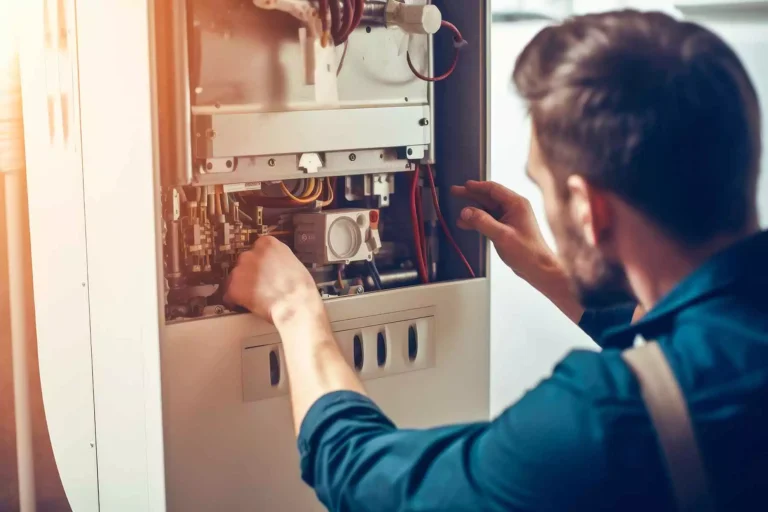
How Understanding HVAC Service Quotes and Estimates Helps Horry County Homeowners Make Smarter Decisions and Avoid Overpaying for Heating and Cooling Services
Understanding HVAC Service Quotes and Estimates in Horry County
A quote for a new air conditioner can list a dozen line items, and two quotes for what sounds like the same job can differ by a wide margin. The reason is rarely a mystery once you know what each section of the document represents. Equipment capacity, labor hours, permitting, materials, and warranty terms all carry real costs, and a clear estimate shows you exactly where your money goes. When you can read a quote line by line, you stop comparing prices in the dark and start comparing the actual work being proposed.
At Conway Air Conditioning, we have written and explained estimates for Horry County homeowners since the 1950s, which makes us one of the oldest heating and air conditioning businesses in Conway. Over those decades we have seen how a confusing quote leads to frustration and overpayment, and how a transparent one builds trust. This page walks you through what belongs in a professional HVAC estimate so you can make a confident decision whether you are in Myrtle Beach, Carolina Forest, Forestbrook, Red Hill, Socastee, or Conway itself.
What Separates a Quote From an Estimate
The two words get used as if they mean the same thing, but they do not. An estimate is an informed projection of cost based on what a technician expects to find and do. It can shift if conditions change once work begins, such as discovering corroded ductwork or an electrical panel that cannot support a new system. A quote, by contrast, is a firmer commitment to a price for a clearly defined scope. Knowing which document you hold tells you how much flexibility is built into the number.
Good practice is to request the scope in writing regardless of which term a contractor uses. A proper scope describes the equipment model and tonnage, the labor involved, how old components will be removed and disposed of, and what happens if hidden problems surface. When Conway Air Conditioning prepares a document for a repair or installation, we spell out these details so there are no surprises when the invoice arrives. A number without context is just a number, and it tells you nothing about the quality of the work behind it.
Reading the Line Items on an HVAC Quote
Most of the cost in a heating and cooling project falls into a handful of categories. Understanding each one lets you spot where a quote is thorough and where it may be cutting corners to look cheaper on paper. Below are the common elements you should expect to see broken out.
- Equipment and capacity: the make, model, and tonnage of the unit, along with its efficiency rating measured in SEER2 for cooling and AFUE for heating - higher ratings cost more upfront but lower operating bills.
- Labor: the hours required for removal, installation, and startup, which depend heavily on the difficulty of access and the condition of existing connections.
- Materials and accessories: refrigerant lines, electrical whips, condensate drains, thermostats, and any new ductwork or sealing needed to make the system perform as rated.
- Permits and code compliance: many jobs require a permit and inspection, and a reputable quote includes these rather than leaving them for you to discover later.
- Warranty coverage: both the manufacturer warranty on parts and the labor warranty offered by the installer, which protects you if something fails after the work is done.
When a quote leaves out one of these categories, the price may look attractive, but the missing item usually resurfaces as an added charge. Comparing two quotes becomes fair only when both cover the same scope. We encourage homeowners to lay quotes side by side and ask each contractor to account for anything the other included.
Why the Lowest Number Is Not Always the Best Value
A low estimate can reflect smaller equipment, skipped load calculations, or generic parts that may not match your home. Proper sizing comes from a Manual J load calculation that accounts for square footage, insulation, window area, and local climate. An undersized unit runs constantly and wears out early, while an oversized one short-cycles and fails to control humidity, which matters a great deal in our coastal Horry County air. A quote built on a real calculation is worth more than one built on a guess, even if the guess costs less today.
Credentials also tell you what you are paying for. Conway Air Conditioning is a family owned and operated company staffed by NATE certified technicians and BPI certified professionals, and we are a Factory Authorized Dealer and a President Award winner. Those certifications mean our team is trained to current standards and our installations are backed by manufacturer support. That combination protects your investment long after the initial price is paid.
Questions to Ask Before You Sign
Before approving any heating or cooling work, ask whether the estimate includes permits, what the labor warranty covers, how long the quoted price stays valid, and what would trigger an added charge. Ask how the equipment was sized and request the model numbers so you can verify efficiency ratings. These questions cost nothing and reveal a great deal about how a contractor operates.
If something on a document is unclear, we are glad to explain it. Whether you need AC repair, a new AC installation, or heating service anywhere across Myrtle Beach, Carolina Forest, Socastee, and the surrounding communities, Conway Air Conditioning aims to give you an estimate you fully understand. An informed homeowner makes smarter choices, avoids overpaying, and ends up with a system that performs the way it should for years to come.
Consider a homeowner who moves into a house in Carolina Forest and inherits an HVAC system with no service records, no filter schedule, and no idea how old the equipment actually is. Everything runs fine through the first spring. Then July arrives, the compressor struggles against ninety-five degree heat, and the system quits on the hottest weekend of the year. This situation plays out across Horry County every summer, and almost every time it could have been prevented with a plan. A long-term HVAC care strategy is not complicated, but it does require consistency, and it pays for itself many times over through lower energy bills and fewer emergency calls.
At Conway Air Conditioning, we have watched these patterns repeat for decades. As one of the oldest heating and air conditioning businesses in Conway, serving Horry County since the 1950s, we have seen the difference between homes that treat their systems as "set and forget" and homes that follow a deliberate maintenance plan. The gap in equipment lifespan, repair frequency, and operating cost is dramatic.
What Does a Long-Term HVAC Strategy Actually Involve?
Many homeowners assume HVAC care means calling someone only when something breaks. That reactive approach almost guarantees higher lifetime costs. A proper strategy is proactive. It treats your air conditioner and heating equipment the way you treat a vehicle, with scheduled service, performance tracking, and planned replacement before total failure forces your hand.
The foundation of any good plan rests on three habits. Build these into your household routine and you will avoid the majority of surprise breakdowns:
- Regular filter changes: Replace or clean filters every one to three months depending on pets, dust, and household size. A clogged filter restricts airflow and forces the blower to work harder.
- Seasonal professional tune-ups: Schedule cooling service in spring and heating service in fall so problems are found before peak demand arrives.
- Record keeping: Track service dates, part replacements, and refrigerant levels so you can spot trends and plan ahead.
How Often Should You Schedule Professional Service?
For the humid coastal climate around Myrtle Beach, Forestbrook, Red Hill, and Socastee, we recommend two professional visits per year. Spring visits focus on cooling performance, refrigerant charge, coil condition, and condensate drainage. Fall visits focus on heating elements, heat exchanger integrity, ignition, and safety controls. Splitting the work this way means each system gets attention right before it does its hardest work.
During these visits, our NATE certified technicians measure specific performance values rather than simply eyeballing the equipment. They check temperature split across the evaporator coil, verify static pressure in the ductwork, test capacitor microfarad ratings, and confirm that refrigerant superheat and subcooling fall within manufacturer specifications. These numbers tell us whether the system runs efficiently or quietly wastes energy. As a Factory Authorized Dealer, we follow the exact procedures equipment manufacturers require to keep warranties valid, which protects your investment over the long run.
Where Does the Real Money Get Saved?
Energy cost is the largest expense over an HVAC system's life, far exceeding the purchase price. A system that loses even a small amount of efficiency from dirty coils or low refrigerant charge can add noticeable dollars to every monthly bill. Multiply that across the long Horry County cooling season and the waste becomes significant.
Our Building Performance Institute certified team looks at the whole house, not just the box in the yard. BPI training focuses on how the building envelope, ductwork, and insulation interact with the equipment. Sealing leaky ducts, correcting airflow imbalances, and addressing attic heat gain often deliver bigger savings than swapping equipment alone. This whole-home view is part of why Conway Air Conditioning earned the President's Award, a recognition given for excellence in service and customer care.
Planning for Replacement Before It Becomes an Emergency
No system lasts forever. Most air conditioners and heat pumps run twelve to fifteen years in our climate, and furnaces can run longer. The smart move is to plan replacement on your own timeline rather than during a July failure. Watch for these warning signs and start the conversation early:
- Rising repair frequency: When you call for service more than once a year, repair costs begin to rival replacement value.
- Climbing energy bills: A steady increase with no change in habits points to declining efficiency.
- Uneven comfort: Rooms that never reach the set temperature often signal a system past its prime or undersized ductwork.
When replacement does make sense, we size the new equipment with a proper load calculation rather than guessing from the old unit. Correct sizing improves humidity control, reduces short cycling, and extends equipment life.
Partnering With a Local Team You Can Trust
A long-term care strategy works best with a consistent service partner who knows your home and its history. Conway Air Conditioning is family owned and operated, and that continuity matters when you are planning years ahead. We keep records, recognize changes over time, and give straight answers about when to repair and when to replace. Whether you need air conditioning service, heating service, AC installation, or AC repair across Conway, Carolina Forest, Forestbrook, Red Hill, Socastee, or Myrtle Beach, building a relationship with a dependable local team is the final piece of a strategy that saves money and prevents costly breakdowns for years to come.
Ductwork snakes through your attic and crawl spaces, carrying conditioned air to every room, but it does not work alone. The blower motor, the electrical panel, your home's insulation, the ventilation openings, and even your plumbing all interact with the heating and cooling equipment. When one part falls out of balance, the rest feels the strain. Understanding how these systems connect helps you spot small problems before they become expensive failures, and it explains why a whole-home approach matters in the humid, storm-prone climate of Horry County.
At Conway Air Conditioning, we look at the house as a single system rather than a collection of separate machines. This perspective comes from decades of work across Myrtle Beach, Carolina Forest, Conway, Forestbrook, Red Hill, and Socastee. As one of the oldest heating and air conditioning businesses in Conway, serving Horry County since the 1950s, we have seen how coastal humidity, salt air, and sudden temperature swings affect equipment that was installed without regard for the wider home.
The Air Handling and Ventilation Connection
Your HVAC system moves a large volume of air every hour, and that air has to come from somewhere and go somewhere. The blower pulls air through return grilles, passes it across the coil or heat exchanger, and pushes it back out through the supply vents. If return airflow is choked by a dirty filter or an undersized duct, the equipment works harder, runs longer, and wears out sooner. This is why filter changes and duct inspections are not trivial chores. They protect the compressor, the motor, and the heat exchanger from stress they were never designed to carry.
Ventilation also affects the air you breathe. In a tightly sealed home, moisture and indoor pollutants build up unless fresh air is introduced in a controlled way. Our Building Performance Institute certified staff evaluate how air enters and leaves your home, because a system that only cools without managing humidity leaves you with a clammy, uncomfortable space even at a comfortable thermostat reading. Balancing airflow, dehumidification, and fresh-air exchange is central to how we set up equipment in Horry County homes.
Electrical, Structural, and Safety Systems
Heating and cooling equipment draws significant power, and it depends on a healthy electrical system. A compressor that starts on a weak circuit can trip breakers, degrade wiring, and shorten its own life. During installation and service, we verify that voltage, breaker sizing, and disconnects match the equipment's requirements. Our NATE certified technicians treat the electrical connection as part of the HVAC job, not an afterthought, because a loose lug or an undersized wire can create both performance problems and fire risk.
Safety systems deserve equal attention, especially where combustion is involved. Gas furnaces produce carbon monoxide as a byproduct, and the heat exchanger and venting must contain and expel it completely. A cracked heat exchanger or a blocked flue can push dangerous gas back into living space. We inspect these components carefully and recommend carbon monoxide detectors as a second layer of protection. The house's structure plays a role too: insulation, sealed attics, and weatherstripping all reduce the load on the equipment and keep temperatures stable.
Here are the interconnected systems we evaluate when we look at a home as a whole:
- Ductwork and airflow: supply and return paths that determine how evenly your home is conditioned
- Electrical supply: circuits, breakers, and disconnects sized to run the equipment safely
- Combustion and venting: heat exchangers and flues that must contain and expel gases
- Building envelope: insulation, sealing, and windows that reduce heating and cooling load
- Humidity control: coils and drainage that pull moisture out of coastal air
How Humidity Ties Everything Together
Nowhere is the whole-home concept more obvious than in humidity management. When your air conditioner runs, it cools the air and pulls water out of it. That condensate drains away through a line that must stay clear. A clogged drain can overflow, damaging ceilings, walls, and the equipment itself. The coil, the drain pan, the drain line, and even the slope of that line all work together to keep moisture moving out of your home instead of pooling inside it.
Oversized equipment causes a common problem in our region. A unit that is too large cools the air quickly, then shuts off before it removes enough moisture. The result is a cold, damp house that feels worse than a warmer, drier one. Correct sizing, proper airflow, and good sealing all combine to solve this. As a Factory Authorized Dealer and a President's Award winner, Conway Air Conditioning matches equipment to the actual load of each home rather than guessing.
Being family owned and operated, we take the long view with every customer. When your HVAC system, electrical service, ventilation, and building envelope all support one another, your family stays comfortable, your energy bills stay reasonable, and your home stays safe. Whether you need AC installation, AC repair, or heating service anywhere across Horry County, we are ready to look at the full picture.
The compressor short-cycles, the utility bill keeps climbing, and a technician has just quoted a repair that feels uncomfortably close to the cost of a new unit. This is the moment most Horry County homeowners face at least once, and the decision to repair or replace an HVAC system deserves more than a coin flip. At Conway Air Conditioning, we help homeowners weigh the numbers, the age of the equipment, and the realities of our coastal climate before committing to either path.
How Old Is Too Old?
Age is the first number we look at, and it tells a surprising amount. A standard central air conditioner in Conway, Carolina Forest, or Socastee typically lasts 12 to 15 years, while a well-maintained heat pump often reaches the lower end of that range because it runs year-round in our mild winters. Gas furnaces can push 15 to 20 years. If your system falls short of these marks and needs only a minor repair, fixing it is almost always the sensible call.
The picture changes once equipment crosses the ten-year threshold. Older systems frequently use R-22 refrigerant, which is no longer produced and has become expensive to source. A refrigerant leak on an aging unit can turn a modest service call into a recurring expense. When we inspect a system in Red Hill or Forestbrook, we consider not just the current fault but the parts likely to fail next, and we share that honest assessment with you.
Weighing Repair Costs Against Replacement
A practical benchmark many technicians use is the fifty-percent rule: if a repair costs more than half the price of a comparable new system, replacement usually makes better financial sense. We pair that guideline with a second factor, the age of the equipment, to give you a clearer answer. A four-hundred-dollar repair on a six-year-old unit is easy math. The same repair on a fourteen-year-old system that has been serviced twice in two years signals that replacement is the smarter long-term investment.
Here are the signs we most often see that tip the balance toward replacement:
- Repeat breakdowns: two or more service calls in a single cooling season point to a system nearing the end of its service life.
- Rising energy bills: a steady month-over-month climb, with no change in usage, often means declining efficiency inside the equipment.
- Uneven comfort: rooms that never reach the set temperature suggest the unit can no longer keep pace with the load.
- Obsolete refrigerant: any R-22 system with a leak is a strong candidate for replacement rather than a costly recharge.
When Repair Is the Right Answer
Replacement is not always the goal, and we never push it when a repair serves you well. Many issues we handle are straightforward and restore full performance for years. A failed capacitor, a worn contactor, a clogged condensate line, or a faulty thermostat are all repairs that make sense on almost any system, regardless of age. Our NATE certified technicians diagnose the actual fault rather than guessing, so you pay to fix the real problem.
Regular maintenance also extends the window during which repair remains the better choice. A system that receives annual tune-ups, clean coils, and correct refrigerant charge often outlives its expected lifespan. As BPI certified professionals, we look at the whole home, including duct integrity and airflow, because a system labeled "worn out" is sometimes just starving for proper air movement.
Why Homeowners Trust Conway Air Conditioning
We are family owned and operated and one of the oldest heating and air conditioning businesses in Conway, serving Horry County since the 1950s. That history means we have watched equipment technology evolve across generations, and we bring that perspective to every repair-versus-replace conversation from Myrtle Beach to Socastee.
Our credentials back up our recommendations. As a Factory Authorized Dealer and a President's Award winner, we install and service equipment held to strict manufacturer standards. When replacement is the right path, we size the new system to your home's actual load rather than simply matching the old unit, which corrects the oversizing and short-cycling problems that plagued many older installations.
Our coastal climate places real demands on cooling equipment. Salt air, high humidity, and long cooling seasons all shorten the life of components that would last longer inland. We factor these conditions into every assessment so your decision reflects the way HVAC systems actually perform in Horry County. Whether the answer is a targeted repair or a full replacement, Conway Air Conditioning gives you the detailed reasoning behind it.
Every time your family gathers in the living room, sleeps through the night, or sits down to dinner, everyone is breathing the same recirculated air. In a tightly sealed modern home along the coast, that air can hold more than you might expect: dust, pollen, pet dander, mold spores, and even chemical off-gassing from furniture and cleaning products. When the humidity climbs the way it does across Horry County, these particles thrive, and the air inside your home can quietly become several times more polluted than the air outside. That invisible problem is exactly where a well-maintained HVAC system earns its keep.
How Indoor Air Quality Affects the People You Love
Poor indoor air quality rarely announces itself with a single dramatic symptom. Instead, it shows up gradually. Children may develop persistent coughs or worsening allergies. Adults might notice morning headaches, fatigue, or dry, irritated eyes. For anyone in the household with asthma, chronic bronchitis, or seasonal sensitivities, contaminated air can trigger flare-ups that seem to have no clear cause. The humid, warm climate we deal with in Myrtle Beach, Carolina Forest, and Socastee only intensifies the issue by encouraging mold and dust mite growth.
The effects extend beyond respiratory discomfort. Elevated indoor humidity can promote the growth of biological contaminants that affect sleep quality and overall energy. Volatile organic compounds released by paints, adhesives, and household products accumulate in poorly ventilated spaces. Over time, this constant exposure places unnecessary strain on the body, particularly for the very young, the elderly, and those with existing health conditions. Understanding these risks is the first step toward addressing them meaningfully.
What Your HVAC System Can Actually Do About It
Your heating and cooling system does far more than adjust temperature. Every cycle pulls air through filters, moves it across coils, and redistributes it throughout your home. When properly equipped and maintained, that same system becomes a powerful tool for cleaning and conditioning the air. As a Factory Authorized Dealer with NATE Certified Technicians and BPI certification, Conway Air Conditioning approaches air quality as a whole-home concern rather than a single gadget you bolt on and forget.
Several proven strategies can dramatically improve the air your family breathes. Each addresses a different aspect of the problem, and the right combination depends on your home's construction, occupancy, and specific concerns.
- High-efficiency filtration: Upgrading from a basic fiberglass filter to a pleated media filter captures far more of the fine particles that trigger allergies and irritate lungs.
- Whole-home dehumidification: Controlling moisture levels discourages mold, dust mites, and that heavy, sticky feeling common in coastal homes.
- UV germicidal lamps: Installed near the coil, these lamps neutralize bacteria, mold, and viruses before they circulate.
- Ventilation improvements: Introducing controlled fresh air dilutes indoor pollutants that build up in sealed spaces.
- Duct cleaning and sealing: Removing accumulated debris and closing leaks stops your system from spreading contaminants room to room.
Our Methodical Approach to Cleaner Air
We never guess. Diagnosing an air quality concern begins with a thorough evaluation of your home's HVAC system, ductwork, humidity levels, and airflow patterns. Our BPI certification means we understand how a house performs as a complete system, accounting for insulation, air leakage, and pressure imbalances that influence how contaminants move. Only after we understand the full picture do we recommend solutions matched to your family's needs.
From there, the process typically follows a clear sequence:
- Assessment: We measure humidity, inspect filtration, and evaluate ductwork condition and airflow.
- Recommendation: We explain findings in plain language and outline appropriate filtration, dehumidification, or purification options.
- Installation: Our technicians integrate the chosen equipment into your existing system with precision and care.
- Verification: We confirm performance and walk you through maintenance so improvements last.
Why Families Across Horry County Trust Us
As one of the oldest heating and air conditioning businesses in Conway, we have served Horry County since the 1950s. That longevity is not accidental. Family owned and operated, we treat every home we enter with the same attention we would want for our own loved ones. Our President Award recognition reflects a consistent commitment to workmanship and customer care across communities including Forestbrook, Red Hill, and beyond.
Clean, comfortable, healthy air should not be a luxury. Whether you are battling stubborn allergies, worried about humidity, or simply want to breathe easier, Conway Air Conditioning has the expertise and certifications to help your family live better indoors. Reach out today, and let us evaluate what your system can do for the air your household depends on every single day.
How Seasonal Temperature Swings in Horry County Affect Your HVAC System and What Homeowners Can Do to Stay Ahead
Living along the Grand Strand means experiencing a climate that constantly tests the limits of residential heating and cooling equipment. From the muggy, salt-laden summers in Myrtle Beach to the surprisingly chilly winter nights in Conway, your HVAC system endures a yearly cycle of stress that few people fully appreciate until something goes wrong. As one of the oldest heating and air conditioning businesses in Conway, serving Horry County since the 1950s, Conway Air Conditioning has watched generations of homeowners struggle with the same seasonal challenges, and we have developed proven strategies to help you stay ahead of them.
Understanding the Coastal Climate Pressure on Your Equipment
Horry County experiences a humid subtropical climate, which means long stretches of hot, humid weather punctuated by sudden cold snaps, tropical storms, and occasional freezes. In July and August, daytime highs frequently push into the mid-90s with humidity levels above 80 percent. Your air conditioner is not just cooling the air during these months. It is also working overtime to remove enormous amounts of moisture, which places significant strain on the compressor, evaporator coil, and condensate drainage system.
Winter introduces a different set of stressors. While we do not experience the brutal winters of the Northeast, temperatures in Conway, Carolina Forest, and Socastee can dip into the 20s several nights per year. Heat pumps, which are the dominant heating technology in our region, must work much harder during these cold snaps and often rely on auxiliary electric resistance heat. The constant cycling between mild afternoons and frigid mornings causes thermal expansion and contraction in components like refrigerant lines, electrical contactors, and reversing valves.
The Hidden Damage Caused by Salt Air and Humidity
Homeowners in Forestbrook, Red Hill, and the beachside communities of Myrtle Beach face the additional challenge of salt-laden air. Salt particles settle on outdoor condenser coils, where they accelerate corrosion of aluminum fins and copper tubing. Over time, this corrosion reduces heat transfer efficiency, forcing the system to run longer and consume more electricity to achieve the same cooling effect. We have seen condenser units lose 20 to 30 percent of their original capacity in less than a decade when left without regular coil cleaning.
Humidity also breeds biological growth inside air handlers and ductwork. Mold, mildew, and algae can clog condensate drain lines, leading to water damage, indoor air quality issues, and even complete system shutdowns when float switches activate. Our BPI (Building Performance Institute) certified team specializes in diagnosing these moisture-related problems and recommending solutions that address root causes rather than just symptoms.
Practical Steps Homeowners Can Take Each Season
Staying ahead of seasonal HVAC issues does not require professional expertise for every task. There are meaningful actions you can take throughout the year to extend equipment life and reduce repair costs. Our NATE Certified Technicians recommend the following homeowner habits:
- Change filters every 30 to 60 days especially during peak cooling season when systems run nearly continuously and pull in more airborne debris.
- Rinse outdoor condenser coils monthly using a garden hose on low pressure to remove salt residue pollen and grass clippings.
- Keep vegetation trimmed back at least two feet from the outdoor unit to ensure proper airflow and prevent insect or rodent intrusion.
- Inspect the condensate drain line for clogs by pouring a cup of distilled vinegar through the access port every few months.
- Test your thermostat batteries before each season change to avoid surprise failures during the first heatwave or cold front.
Why Professional Maintenance Matters in Our Climate
While homeowner maintenance helps, the conditions in Horry County demand professional attention twice per year. Spring tune-ups prepare your cooling system for the brutal summer ahead, while fall inspections verify that heating components are ready for cold mornings. As a Factory Authorized Dealer and President Award winner, Conway Air Conditioning delivers comprehensive maintenance that includes refrigerant charge verification, electrical connection tightening, capacitor testing, blower motor inspection, and coil cleaning.
Being family owned and operated means we approach each home with the same care we would give our own relatives. We have watched neighborhoods like Carolina Forest grow from sparse pinelands into bustling communities, and we have serviced equipment ranging from vintage window units to the latest variable-speed inverter heat pumps.
Planning for Replacement Before Emergency Strikes
Most HVAC systems in coastal South Carolina last between 10 and 15 years, with salt exposure shortening that lifespan considerably. Recognizing the warning signs of an aging system, such as rising energy bills, uneven room temperatures, frequent repairs, and excessive humidity indoors, allows you to plan replacement on your timeline rather than during a July heatwave breakdown.
Red Flags During Home Inspections: Critical HVAC Warning Signs That Could Cost You Thousands After Purchase
Buying a home in the Myrtle Beach, SC area or surrounding communities like Carolina Forest, Conway, Forestbrook, Red Hill, or Socastee is one of the most significant financial decisions you will ever make. While most buyers focus on cosmetic details like paint colors and kitchen countertops, the HVAC system quietly represents one of the largest potential expenses lurking behind the walls. At Conway Air Conditioning, we have been serving Horry County since the 1950s, and in that time we have seen countless homebuyers face devastating surprise costs because critical warning signs were missed or dismissed during the inspection process. Understanding what to look for can save you thousands of dollars and protect your investment for years to come.
Age and Condition of the HVAC Equipment
The average lifespan of a central air conditioning system ranges from 15 to 20 years, while furnaces and heat pumps may last slightly longer with proper maintenance. According to the National Association of Home Builders, HVAC replacement is among the top five most expensive repairs new homeowners face, often exceeding several thousand dollars. During a home inspection, the age of the system should be one of your first questions. If the unit is approaching or has exceeded its expected lifespan, you should factor replacement costs into your purchasing decision.
Beyond age alone, physical condition tells a critical story. Excessive rust on the outdoor condenser, corroded refrigerant lines, deteriorating electrical connections, and visible damage to the cabinet all signal neglect. Our NATE Certified Technicians frequently evaluate systems where homeowners assumed everything was fine simply because the unit turned on. A system that runs is not the same as a system that runs efficiently and safely. As a family owned and operated business, we take the time to educate every customer about the difference between a functioning system and one operating on borrowed time.
Ductwork Problems That Hide in Plain Sight
Ductwork is one of the most commonly overlooked components during home inspections, yet it directly impacts your comfort, air quality, and energy bills. The Department of Energy estimates that the average home loses 20 to 30 percent of conditioned air through leaky or poorly connected ducts. During an inspection, look for these critical warning signs:
- Disconnected or sagging duct sections in the attic or crawlspace that indicate poor installation or age-related deterioration
- Visible mold or moisture stains around duct connections or on duct board material suggesting ongoing condensation issues
- Excessive dust accumulation around supply registers that may indicate duct leaks pulling in attic insulation or outdoor contaminants
- Inconsistent airflow between rooms that points to undersized ducts or blocked pathways
As BPI (Building Performance Institute) certified professionals, we understand how the entire building envelope works together. Ductwork problems rarely exist in isolation. They often indicate broader issues with insulation, ventilation, and moisture management that can compound into major expenses after you close on the property.
Electrical and Safety Concerns
HVAC systems require substantial electrical infrastructure, and outdated or improperly wired components present both safety hazards and performance problems. During your inspection, pay close attention to the electrical panel and the dedicated circuits serving the heating and air conditioning equipment. Double-tapped breakers, undersized wiring, and missing disconnect boxes are all red flags that suggest unpermitted or amateur work was performed on the system.
Carbon monoxide risks associated with gas furnaces and heat exchangers deserve special attention. Cracked heat exchangers can leak carbon monoxide into your living space without any visible symptoms until the problem becomes dangerous. A standard home inspection may not include a thorough heat exchanger evaluation, which is why we recommend having a dedicated heating service professional examine the furnace independently.
What to Do When You Spot Warning Signs
Identifying red flags does not necessarily mean you should walk away from a property. It means you need accurate information to negotiate effectively. Here is a practical approach:
- Request a specialized HVAC evaluation from a qualified contractor separate from your general home inspector
- Obtain repair or replacement estimates to use in purchase negotiations with the seller
- Verify permit history for any HVAC work performed on the property through local building departments
As a Factory Authorized Dealer and President Award winner, Conway Air Conditioning provides thorough pre-purchase HVAC evaluations across the Myrtle Beach, Carolina Forest, Conway, and Socastee areas. We deliver honest assessments because our reputation, built over seven decades of AC repair, AC installation, and heating service throughout Horry County, depends on trust. Whether you are buying your first home or your fifth, knowing the true condition of the HVAC system empowers you to make confident, informed decisions that protect your family and your finances for years to come.
Why Quick HVAC Fixes Often Lead to Bigger Problems: A Conway Homeowner's Guide to Avoiding Costly Band-Aid Solutions
When your air conditioning system breaks down in the middle of a sweltering Myrtle Beach summer or during an unexpectedly cold Conway winter night, the temptation to grab the fastest, cheapest fix is completely understandable. You just want comfort restored immediately. But as a family owned and operated business that has been serving Horry County since the 1950s, we at Conway Air Conditioning have seen firsthand how these quick patches can spiral into expensive nightmares. We have spent decades watching homeowners across Conway, Carolina Forest, Socastee, Forestbrook, and Red Hill pay two, three, or even five times more than they would have if the root cause had been addressed from the start.
The Hidden Cost of Temporary HVAC Repairs
According to industry data from the Department of Energy, HVAC systems account for roughly 48 percent of a typical home's energy consumption. When a system is running on a temporary fix rather than a proper AC repair, that percentage can climb significantly. A refrigerant leak that gets topped off without identifying and sealing the source, for example, will continue to drain refrigerant, force the compressor to work harder, and drive your electricity bill upward month after month. The compressor itself may eventually fail under the added strain, turning what could have been a modest repair into a full AC installation.
Electrical band-aid fixes present even greater risks. Bypassing a faulty capacitor, splicing damaged wiring, or ignoring intermittent tripping breakers might restore cooling temporarily, but these shortcuts can create fire hazards and void manufacturer warranties. Our NATE Certified Technicians are trained to diagnose these issues thoroughly, ensuring that when we perform HVAC repair work, we address the actual problem rather than masking its symptoms.
Common Band-Aid Solutions and Their Consequences
Understanding the most frequent quick fixes helps homeowners recognize when they are being offered a temporary patch instead of a lasting solution. Here are scenarios we encounter regularly throughout Horry County:
- Refrigerant top-offs without leak detection. Adding refrigerant to a system with an active leak is like pouring water into a bucket with a hole. The refrigerant will escape again, the system efficiency drops, and the environmental impact of releasing refrigerants is significant and increasingly regulated under EPA guidelines
- Duct tape on ductwork. Despite its name, standard duct tape deteriorates rapidly in the hot, humid conditions found in South Carolina attics and crawlspaces. Proper duct sealing requires mastic sealant or specialized metal-backed tape applied by trained professionals
- Resetting the system repeatedly instead of diagnosing fault codes. Modern air conditioning systems generate diagnostic codes for a reason. Continually resetting the unit without reading and responding to these codes allows underlying mechanical or electrical failures to worsen
- Ignoring unusual noises by turning up the thermostat fan speed. Grinding, squealing, or banging sounds indicate failing bearings, loose components, or compressor issues that demand immediate professional air conditioning service
- Using oversized or mismatched replacement parts. Installing a component that does not match the system's specifications may restore function briefly but creates efficiency losses and accelerates wear on surrounding components
The Value of Comprehensive Diagnostics
As a Factory Authorized Dealer and President Award winner, we invest heavily in diagnostic methodology because accurate identification of the root problem is the single most important step in any HVAC repair. Our BPI (Building Performance Institute) certified team evaluates your entire system holistically, examining airflow, refrigerant charge, electrical connections, thermostat calibration, and ductwork integrity as interconnected elements rather than isolated parts. This whole-building approach often reveals that what appears to be an equipment failure is actually a building envelope issue, an insulation deficiency, or a ductwork design flaw that no amount of equipment repair will permanently resolve.
We also use advanced tools such as thermal imaging, combustion analyzers, and digital manometers to measure system performance against manufacturer specifications. This data-driven approach removes guesswork and ensures that every repair recommendation is backed by measurable evidence. Homeowners across Conway, SC and the surrounding communities of Red Hill, Forestbrook, and Carolina Forest deserve this level of precision when investing in their home comfort systems.
Investing in Lasting Comfort
The HVAC industry is evolving rapidly, with smart diagnostics, variable-speed technology, and increasingly efficient equipment changing what homeowners can expect from their systems. Taking shortcuts with outdated repair approaches means missing opportunities to improve comfort, reduce energy costs, and extend equipment lifespan. As one of the oldest heating and air conditioning businesses in Conway, we have adapted through every generation of HVAC technology while maintaining one constant principle: do the job right the first time. When you choose thorough, honest air conditioning service over the quick fix, you are not just solving today's problem. You are protecting your home, your budget, and your family's comfort for years to come.
How Ignoring Your HVAC System's Warning Signs Can Lead to Thousands in Emergency Repairs and Property Damage
Your heating and air conditioning system communicates with you every single day. It hums, clicks, cycles on and off, and maintains consistent temperatures throughout your home. But when something changes, when a new noise appears, when your energy bills spike unexpectedly, or when certain rooms feel warmer than others, your system is telling you something is wrong. At Conway Air Conditioning, we have been serving Horry County since the 1950s, and in that time we have witnessed firsthand what happens when homeowners dismiss these early warning signs. The consequences often extend far beyond a simple repair bill, reaching into thousands of dollars in emergency service calls, replacement equipment, and even structural property damage.
The True Cost of Delayed HVAC Maintenance
According to the U.S. Department of Energy, heating and cooling account for nearly half of the average home's total energy consumption. When a system begins operating inefficiently due to a developing problem, that percentage climbs significantly. A refrigerant leak, for example, may start as a minor issue costing a few hundred dollars to repair. Left unaddressed for months, that same leak forces the compressor to work harder and longer, eventually burning out a component that can cost several thousand dollars to replace. The compounding nature of HVAC problems is what makes early detection so critical.
Emergency repairs also carry a premium. When your air conditioning fails during a Myrtle Beach summer or your heating system stops working on a cold January night in Conway, SC, the urgency of the situation limits your options. Homeowners in Carolina Forest, Forestbrook, Red Hill, and Socastee have all experienced the frustration of weekend and after-hours repair calls that could have been prevented with routine attention to warning signs. As a family owned and operated business, we understand the financial stress that unexpected breakdowns create for families, and we prioritize educating our customers to help them avoid these situations entirely.
Warning Signs You Should Never Ignore
Recognizing the early indicators of HVAC trouble is the first step toward avoiding catastrophic failure. Our NATE Certified Technicians regularly encounter systems that could have been saved with timely intervention. Here are the most common warning signs that demand immediate attention:
- Unusual noises such as grinding, banging, or squealing often indicate failing bearings, loose components, or belt deterioration that can escalate to complete motor failure
- Inconsistent temperatures between rooms may signal ductwork leaks, failing zone dampers, or declining compressor performance
- Unexplained increases in energy bills typically point to a system working harder than it should due to dirty coils, low refrigerant, or electrical issues
- Frequent cycling on and off suggests thermostat problems, oversized equipment, or refrigerant issues that stress components with each startup
- Visible moisture or ice formation on the unit can indicate drainage problems or refrigerant leaks that may cause water damage to walls, ceilings, and flooring
- Musty or burning smells from vents could reveal mold growth within ductwork or electrical components overheating near combustion points
Property Damage Beyond the HVAC System Itself
What many homeowners fail to realize is that a failing HVAC system does not just damage itself. A malfunctioning air conditioning unit can produce excess condensation that overwhelms the drain pan, sending water into attic spaces, down interior walls, and across ceilings. We have seen cases in the Socastee and Red Hill areas where a simple clogged condensate line resulted in thousands of dollars in drywall replacement, mold remediation, and ceiling repairs. The HVAC repair itself was minor compared to the property damage it caused.
Heating system failures carry their own risks. A cracked heat exchanger can leak carbon monoxide into your home, creating a life-threatening hazard. Electrical malfunctions within aging furnaces have been known to cause house fires. Our BPI (Building Performance Institute) certified team evaluates the whole building performance, not just the HVAC equipment, because these systems interact with your home's structure and indoor air quality in complex ways.
Proactive Solutions That Protect Your Investment
As a Factory Authorized Dealer and President Award winner, we hold ourselves to the highest standards in AC repair, air conditioning service, HVAC repair, and heating service across the greater Myrtle Beach area. Prevention starts with annual maintenance visits where our technicians perform comprehensive inspections, clean critical components, test electrical connections, verify refrigerant levels, and identify developing issues before they become emergencies.
- Schedule biannual maintenance in spring for cooling and fall for heating to ensure peak performance during high-demand seasons
- Replace air filters monthly during heavy use periods to maintain proper airflow and reduce strain on your system
- Address small repairs immediately rather than waiting, since minor issues left unresolved almost always become major failures
- Monitor your energy bills for unusual spikes that could indicate declining system efficiency
At Conway Air Conditioning, we believe that the most expensive repair is the one that could have been prevented. Do not let your HVAC system's warning signs go unanswered. Taking action today protects your comfort, your property, and your financial well-being for years to come.
Understanding Your Home's Age-Related HVAC Needs: How Decades of Wear Impact Your Heating and Cooling System in Horry County
As your home ages through the humid subtropical climate of Horry County, your heating and cooling system undergoes significant changes that affect performance, efficiency, and reliability. Whether you're maintaining a historic property in downtown Conway or managing a beachside home in Myrtle Beach, understanding how time impacts your HVAC equipment helps you make informed decisions about AC repair, maintenance, and eventual AC installation. At Conway Air Conditioning, we've witnessed firsthand how systems evolve over their operational lifespans, having served this community since the 1950s. The relationship between your home's age and its HVAC requirements involves multiple factors beyond simple equipment deterioration. Older homes in Carolina Forest and Forestbrook often feature construction methods and insulation standards that differ significantly from modern building codes, creating unique challenges for maintaining comfortable indoor temperatures. Additionally, the salt air prevalent in coastal areas like Socastee accelerates corrosion in outdoor units, while inland areas such as Red Hill face different environmental stressors that impact system longevity differently.The First Decade: Peak Performance and Preventive Foundations
During the initial ten years of operation, your HVAC system typically performs at optimal efficiency levels, with manufacturer specifications closely matching real-world performance. Systems installed during this period benefit from modern energy efficiency standards, often achieving SEER ratings between 14 and 20 for air conditioning units. Regular maintenance during these early years establishes crucial preventive care patterns that significantly extend equipment life. Our NATE Certified Technicians recommend establishing service schedules that include biannual inspections, addressing minor issues before they escalate into costly repairs. The first decade also represents the period when warranty coverage provides maximum protection for your investment. Factory Authorized Dealer installations ensure proper sizing and configuration, which proves essential for maintaining efficiency throughout the system's lifetime. During these years, components like capacitors, contactors, and fan motors operate smoothly with minimal intervention required. However, environmental factors specific to our region, including high humidity levels averaging 70-75% annually and temperature fluctuations ranging from winter lows near freezing to summer highs exceeding 95°F, begin establishing wear patterns that become more pronounced in subsequent decades.Years 10-20: Maintenance Intensification and Component Replacement
As your heating and cooling system enters its second decade, maintenance requirements intensify significantly. Components that operated flawlessly during the first ten years begin showing measurable wear. Blower motors may develop bearing issues, requiring lubrication or replacement. Evaporator and condenser coils accumulate years of microscopic debris that standard cleaning cannot completely eliminate, reducing heat transfer efficiency by 20-30%. Our BPI certified professionals often identify ductwork deterioration during this period, particularly in unconditioned spaces like attics where temperature extremes accelerate material breakdown. The 10-20 year range typically involves replacing several key components to maintain system reliability. Thermostats benefit from upgrading to programmable or smart models that optimize runtime cycles and reduce unnecessary strain on aging equipment. Refrigerant levels require more frequent monitoring as microscopic leaks develop in copper lines and connection points. Air conditioning service during this period focuses on maintaining adequate airflow through increasingly restricted pathways, as years of dust accumulation and potential mold growth in humid conditions impact system breathing.Beyond 20 Years: Efficiency Decline and Replacement Considerations
Systems exceeding twenty years face substantial efficiency degradation, often operating at 50-60% of their original capacity while consuming similar or increased energy amounts. Heat exchangers in furnaces develop stress cracks from repeated thermal cycling, potentially creating carbon monoxide risks that require immediate attention. Compressors lose compression ratio effectiveness, struggling to maintain temperature differentials during peak summer demand when Horry County temperatures soar.Strategic Planning for Age-Related HVAC Challenges
Our family owned and operated business recognizes that every home ages uniquely, influenced by usage patterns, maintenance history, and environmental exposure. We develop customized strategies addressing specific age-related challenges:- Energy efficiency audits identify insulation gaps and air leakage points that force aging systems to work harder
- Load calculations determine whether original equipment sizing remains appropriate after home modifications or additions
- Technology integration evaluates opportunities for incorporating zoning systems or variable-speed components that reduce strain on primary equipment
- Preventive replacement scheduling anticipates component failures before emergency situations arise